
01
Organizing them into cooperatives or groups
Instead of managing hundreds of individual farmers, we aggregate them into formal cooperatives, associations, and producer groups to centralize communication, training, and quality control.

Ekeva links Ugandan growers with buyers who value fresh, traceable produce.
Explore our produce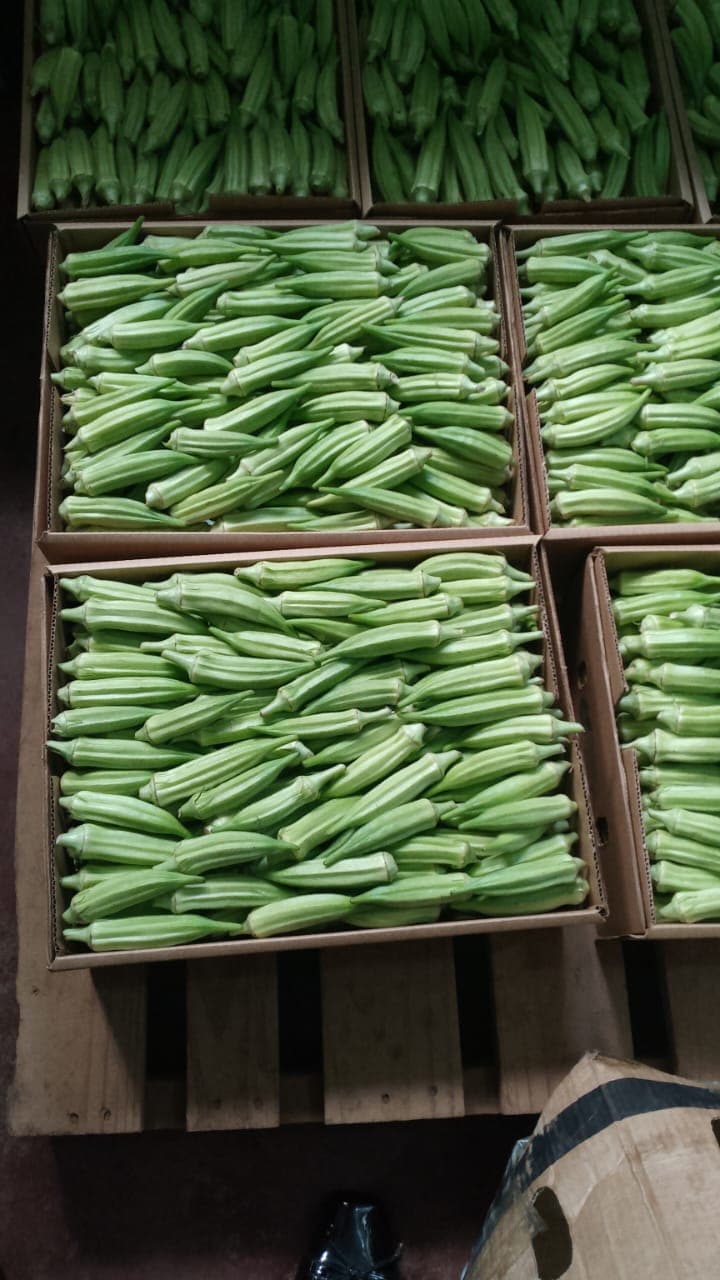
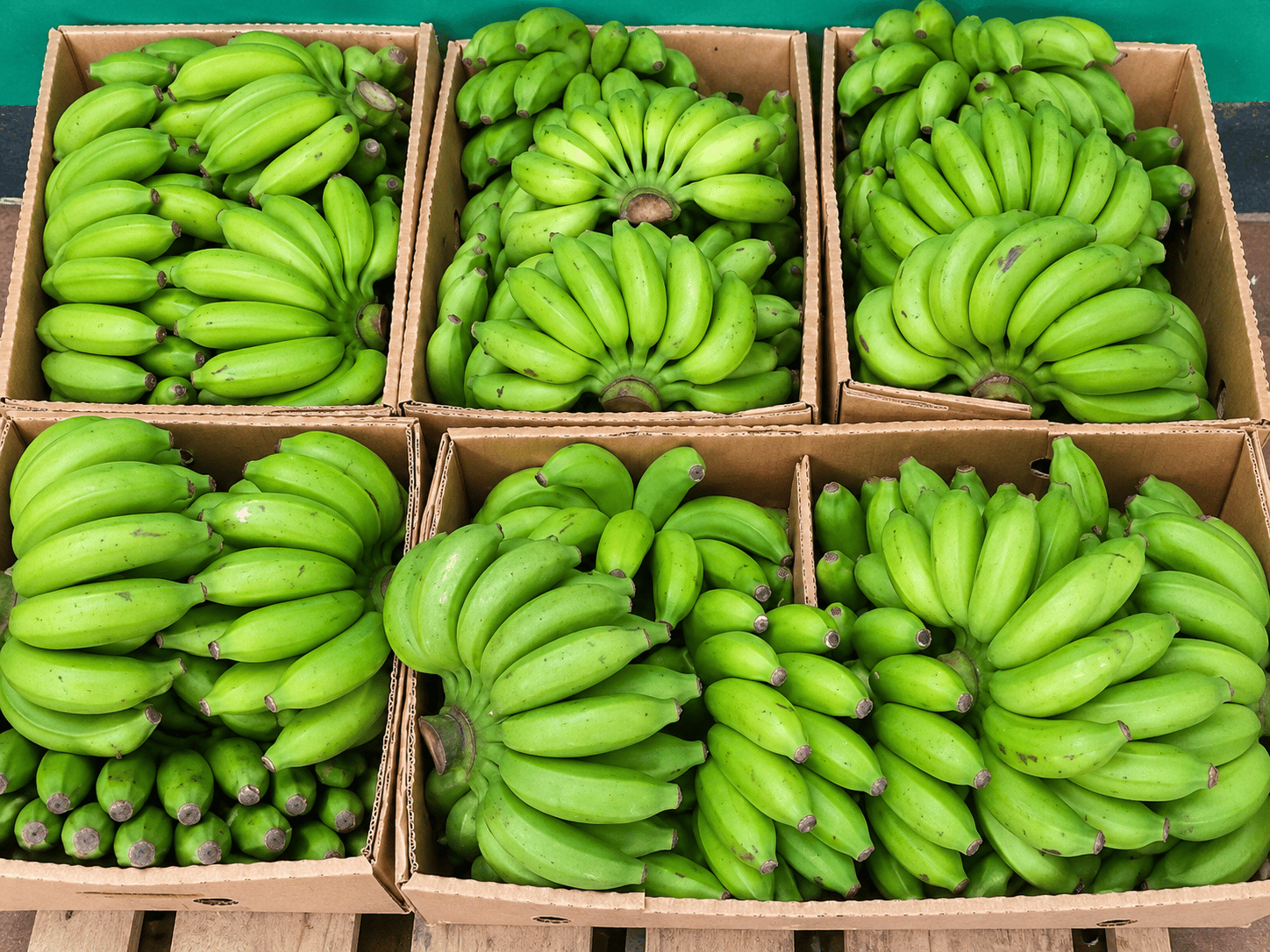
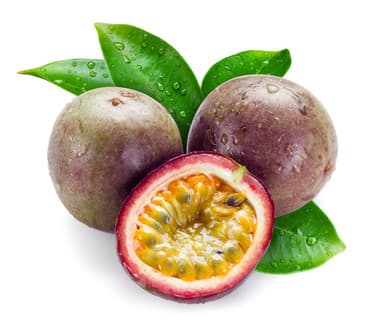
We train and work with contracted farmers, monitor crops, source directly, and prepare produce for international markets.
“Better market access for farmers. Dependable produce for buyers.”
How we work
We work with smallholder farmers for export trade by structuring them through a reliable aggregation model, which ensures international standard compliance and treats farmers as active business partners.
Hundreds of growers across Uganda
Communication, training, and quality control
Sorting, grading, cooling, and packing
Compliant, traceable export produce
Six commitments that turn smallholder harvests into dependable export supply.
Instead of managing hundreds of individual farmers, we aggregate them into formal cooperatives, associations, and producer groups to centralize communication, training, and quality control.
We treat farmers as business partners rather than charitable beneficiaries. We offer transparent pricing, honor payment schedules without long delays, and provide fair cash incentives or prepayments when necessary.
We help farmers improve yields and meet export quality by providing access to vetted seeds, fertilizers, and agronomic training on Good Agricultural Practices (GAP).
We invest in and coordinate proper sorting, grading, washing, packaging, and cold-storage infrastructure near the source to reduce post-harvest losses.
We comply with destination market requirements, such as phytosanitary certificates, residue testing, GlobalG.A.P. certification, and strict traceability records, so international buyers can verify the product origin.
We establish a dependable collection route or aggregation center where smallholders can drop off produce conveniently, minimizing transport bottlenecks from rural areas to processing or export hubs.
Our products go through processing, grading, and packaging fresh for export. It is a structured post-harvest chain designed to preserve quality, extend shelf life, and meet international trade standards.
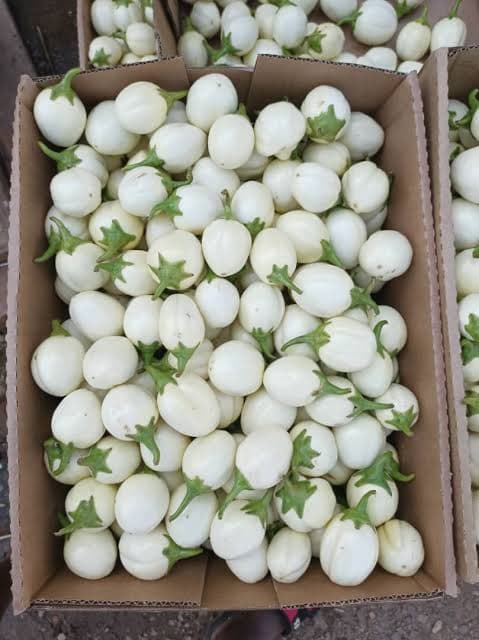
Stage 1 · Packhouse arrival
Stage 2 · Only marketable produce moves on
Stage 3 · Removal of field heat
Stage 4 · Built for the journey
Stage 5 · Ready for the destination market
Environmental sustainability
Balancing environmental sustainability and export trade while integrating smallholder farmers requires linking local farm practices to global green standards without leaving small producers behind. That is a step Ekeva has taken.
High compliance costs
Strict Voluntary Sustainability Standards (VSS) and carbon or deforestation rules, such as EU regulations on deforestation-free products, demand certifications that smallholders often cannot afford.
Chemical reliance vs. organic shift
Smallholders sometimes overuse agrochemicals to protect yields, though grassroots movements, like initiatives in Uganda by KRC-Uganda, are proving that transitions to organic alternatives and soil health are possible.
Access to finance
Smallholders produce a massive share of global and regional crops, yet they receive a tiny fraction of global climate and transition finance.
Farmer cooperatives
Strengthening democratic producer cooperatives, which we expect to improve bargaining power, pool certification costs, and support knowledge sharing among farming communities.
Climate-smart & regenerative practices
Adopting agroforestry, crop rotation, and organic management among our farmers to protect biodiversity, reduce soil erosion, and satisfy international green supply chain demands (“environmental upgrading”).
Fair pricing & long-term contracts
Shifting away from volatile spot markets toward long-term buyer agreements gives smallholders the financial security required to invest in sustainable land management.
Indigenous seeds
Using original traditional seed rather than the hybrid seeds currently being promoted, because traditional seeds can be replanted and need far less synthetic fertilizer.
Working alongside Uganda’s export and trade institutions.
Based in Sonde, Mukono, Uganda.